

Entering the world of online gambling can be an exciting experience, especially for newcomers exploring fast-paced entertainment like Wingo games. However, excitement alone is not enough to create a positive experience. Before playing any game on an online gambling website, users should understand how the platform works, review important account settings, and develop responsible habits from the beginning.
Wingo games are often designed around simple mechanics, quick rounds, and easy-to-understand outcomes, making them appealing to beginners.
Despite their simplicity, players still benefit from learning the fundamentals of online gambling platforms, including security features, payment processes, game rules, and risk management. Taking these steps before playing helps create a more informed approach rather than relying purely on chance or impulse.
Understanding the Online Gambling Website before Creating an Account
The first step for any new player is evaluating the online gambling website itself. A reliable platform should provide clear information about its services, policies, security measures, and available support options. Important reminder, before registering, players should examine several key areas:
- Licensing and regulatory information
- Website security measures
- Privacy policies
- Available payment methods
- Customer support channels
- Terms and conditions
Understanding these details helps users recognize how the platform operates and what protections are available. A trustworthy website should clearly explain its rules, account procedures, withdrawal requirements, and responsible gambling features.
Players should also review how the Wingo game works on the specific platform. Different websites may offer variations in rules, betting limits, available features, or user interfaces.
Reading the game instructions before placing any wagers helps prevent misunderstandings and allows players to make informed decisions.
Learning the Rules and Mechanics of Wingo Game
Although Wingo is generally considered accessible for beginners, understanding the mechanics remains essential. Players should know how rounds operate, how results are determined, what betting options are available, and how winnings are calculated. Before committing real money, beginners should familiarize themselves with:
- Game rules and objectives
- Available betting choices
- Minimum and maximum wager limits
- Round timing and result announcements
- Any platform-specific features
Many online gambling websites provide practice modes, tutorials, or informational pages that allow users to understand gameplay without immediately placing larger wagers.
Understanding the difference between entertainment and guaranteed outcomes is also important. Games like Wingo involve probability, meaning previous results do not guarantee future results. Approaching the game with realistic expectations helps players maintain better control over their experience.
Setting Up Secure Accounts and Payment Methods
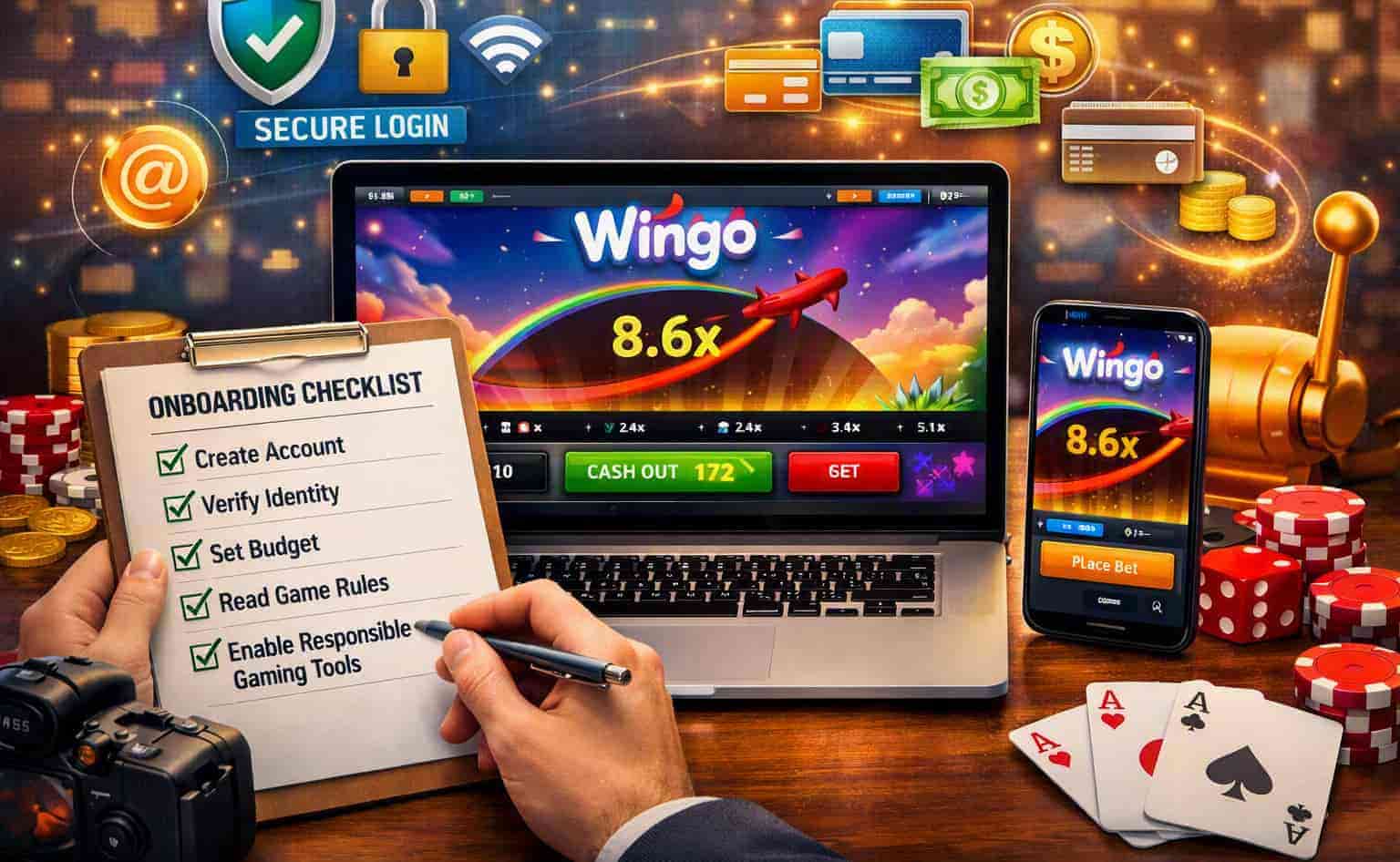
New players should create strong account credentials and take advantage of available security tools. Recommended account protection practices include:
- Using unique passwords
- Enabling two-factor authentication when available
- Avoiding sharing login details
- Confirming website security before entering payment information
- Monitoring account activity regularly
Payment methods should also be reviewed carefully. Players should understand deposit and withdrawal procedures, processing times, transaction fees, and any verification requirements. Before depositing funds, beginners should confirm:
- Minimum deposit amounts
- Withdrawal conditions
- Supported payment options
- Identity verification procedures
- Transaction limits
A clear understanding of financial processes prevents confusion later and helps users manage their accounts more effectively.
Creating a Responsible Playing Strategy
Before you decide to play on any gambling site is knowing to set a limit. Keep in mind that responsible gambling starts right before you make your first bet. It is therefore important that for anyone interested, decide right away:
- How much money you are comfortable spending?
- When to stop during a session?
- Whether gambling fits your personal budget
A common mistake among beginners is treating gambling to recover losses or generate guaranteed income. Online games are designed for entertainment and contain inherent uncertainty. No strategy can remove risk completely.
Maintaining discipline allows players to enjoy gaming while reducing the likelihood of emotional or impulsive decisions. Budgeting entertainment expenses separately from essential finances is an important habit for anyone participating in online gambling.
Making Informed Decisions before the First Round
Starting a Wingo game should involve more than simply creating an account and placing a bet.
By researching the platform, understanding game mechanics, securing accounts, and setting personal limits, beginners can approach online gambling with greater awareness. These steps do not change the unpredictable nature of game outcomes, but they help players make better decisions about how they participate.
Building a Smarter Approach to Online Gaming
The first steps taken before playing often shape the overall experience. A player who understands the platform, recognizes the role of probability, and manages their activity responsibly is better prepared to navigate online gambling environments.
Wingo game may offer a simple and engaging format, but successful participation starts with knowledge rather than assumptions. By prioritizing preparation, security, and responsible habits, newcomers can approach online gaming as an informed entertainment activity while maintaining better control over their experience.
 Online casino games are made to offer entertainment for a player of varying levels of interests and skill.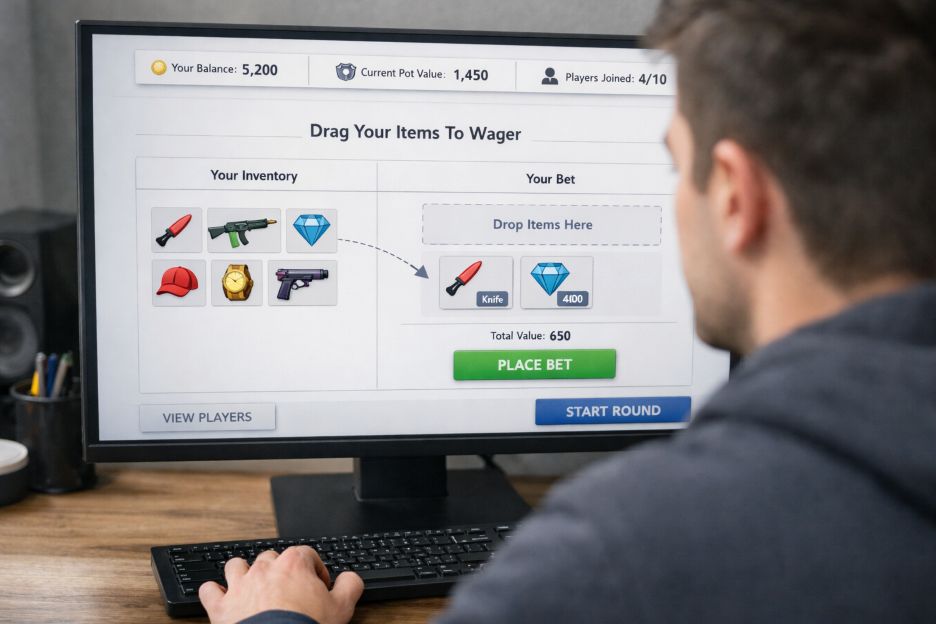









 High-limit roulette tables attract players who want action, not small wins. Bets can climb to £50,000 or more per spin, and the best casinos treat these players like royalty. Finding a safe, fast-paying site with real high-stake tables is the hard part.
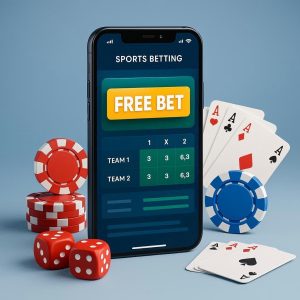 The gambling and gaming industry has evolved rapidly over the years, moving from traditional casino floors to online platforms that offer convenience and variety. One of the biggest innovations in online betting is the concept of the freebet — a promotional tool that attracts both beginners and seasoned players. While it sounds simple, understanding how free bets work and how to use them wisely can make a big difference in your gaming experience.
 Online casinos now draw in millions of users worldwide each day. These platforms blend excitement with easy access, pulling in folks from all walks of life. In places like Malaysia, where digital entertainment thrives, sites offer tempting perks to hook new players. Free credits and demo modes stand out as key draws. They let people dip their toes without diving deep into their wallets. This setup echoes the free-to-play world of video games, where apps like Candy Crush or Fortnite let you start for nothing. Suddenly, gambling feels less scary and more like a casual game session. Players used to grinding levels in mobile titles find themselves spinning slots with the same ease.
 Roulette has long captivated players with its blend of chance and strategy. The spinning wheel, the clatter of the ball, and the anticipation of where it lands create a unique thrill. For serious players, max stake roulette tables elevate this experience, offering the chance to place larger bets and chase bigger rewards. These high-limit tables cater to those who crave intensity and are ready to test their skills with greater risks. But what makes max stake tables different, and how can players approach them wisely? Let’s explore the allure of high-stakes roulette and strategies to navigate it safely.
 According to a global survey of the International Gaming Research Association, eight percent of young adults indicate signs of problematic gaming activity, which is an improvement on six percent in 2023.