

Research from McKinsey shows that digital platforms with streamlined user experiences retain participants at significantly higher rates than those with complex onboarding. This principle applies directly to gambling environments where virtual items, rather than currency, are used for wagering. The way friction points are managed can determine whether users engage or abandon the process.
One example is the easiest way to MM2 gamble online, which illustrates how simplified pathways reduce barriers to entry. By minimizing unnecessary steps, platforms can make item-based wagering more accessible without overwhelming new participants.
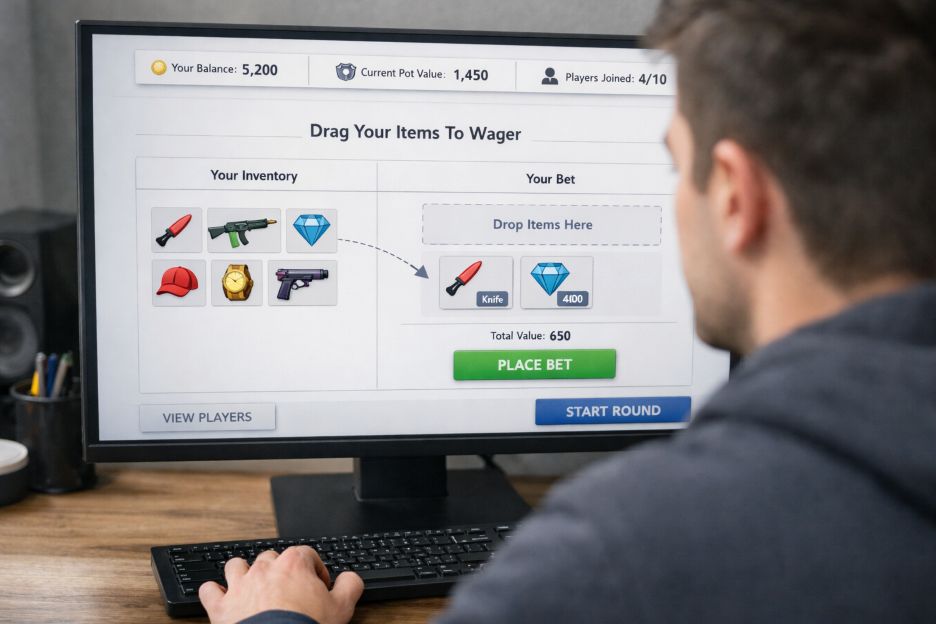
User Friction Overview
Friction in digital gambling experiences often arises from multiple layers of verification, unclear instructions, or overly complex interfaces. According to Deloitte Digital, users are more likely to disengage when faced with confusing navigation or redundant steps. In item wagering systems, where players trade or stake virtual goods, these friction points can be amplified because the process involves both gaming mechanics and gambling protocols.
For instance, requiring multiple confirmations before a trade is finalized may protect against fraud, but it can also frustrate users who expect quick interactions. Balancing security with usability becomes a central challenge.
Onboarding Complexity in Item-Based Systems
Onboarding is often the first major hurdle. In traditional gambling, depositing funds is straightforward, but item-based wagering requires linking game inventories, verifying ownership, and sometimes converting items into tokens. Each additional step introduces potential drop-off points.
A study by PwC highlights that digital platforms with more than three onboarding steps see a sharp decline in completion rates. In virtual item wagering, this means that requiring users to authenticate through multiple third-party services or navigate complex trade confirmations can discourage participation. Simplified onboarding, where inventory access and wagering integration are seamless, tends to reduce abandonment.
How Interfaces Reduce or Increase Effort
The design of the interface plays a critical role in shaping user effort. Clear labeling, intuitive navigation, and transparent feedback loops reduce cognitive load. Conversely, cluttered dashboards or ambiguous icons increase friction.
For example, platforms that allow drag-and-drop item wagering create a sense of immediacy and ease. In contrast, systems that require manual entry of item codes or multiple confirmation screens introduce unnecessary complexity. According to Nielsen Norman Group, usability principles such as visibility of system status and consistency in design are essential for reducing user frustration.
Another factor is mobile optimization. Many users access gambling platforms through smartphones, and poorly adapted interfaces can magnify friction. Buttons that are too small, unclear progress indicators, or slow load times all contribute to disengagement.
Broader UX Implications
Beyond immediate usability, friction points in item wagering experiences have broader implications for user trust and platform sustainability. When users perceive a system as unnecessarily complicated, they may question its fairness or reliability. Conversely, streamlined experiences foster confidence and encourage continued engagement.
In the wider gambling ecosystem, simplicity often aligns with responsible design. Platforms that reduce friction without sacrificing transparency help users make informed choices. This is particularly important in item-based wagering, where the blurring line between gaming and gambling continues to challenge designers and regulators alike. Clear communication about risks, item values, and transaction outcomes ensures that users understand the stakes involved.
Responsible Gambling Considerations
While simplicity improves usability, it also raises concerns about accessibility. Easier pathways into gambling can increase exposure, particularly among vulnerable groups. The National Council on Problem Gambling warns that streamlined digital gambling experiences may accelerate risky behaviors if safeguards are not in place.
Responsible gambling measures, such as time limits, spending caps, and transparent item valuation, should be integrated into simplified systems. These features ensure that ease of use does not come at the expense of user protection. Platforms must balance accessibility with accountability, making sure that simplicity does not translate into unchecked engagement.
Conclusion
Virtual item wagering highlights the tension between complexity and usability. Friction points, whether in onboarding, interface design, or transaction flow, can discourage participation, but they also serve protective functions. The challenge lies in reducing unnecessary barriers while maintaining transparency and safeguards.
Ultimately, simplicity often wins because it aligns with user expectations for digital experiences. Platforms that streamline processes, clarify instructions, and optimize interfaces are more likely to sustain engagement. At the same time, responsible gambling frameworks must remain central to design, ensuring that accessibility does not compromise safety. In this balance, the broader lesson for gambling and gaming platforms is clear: usability and responsibility must coexist to create sustainable digital wagering environments.
Related terms such as “virtual item wagering” and “digital gambling interfaces” underscore the evolving nature of these systems. As platforms continue to refine their approaches, the emphasis on simplicity will remain a defining factor in shaping user experiences.
Responsible Gambling Warning: Gambling, whether with currency or virtual items, carries risks. Users should engage only within their means and seek support if gambling behaviors become problematic.